5D BIM: The Power of Model-Based Cost Estimation
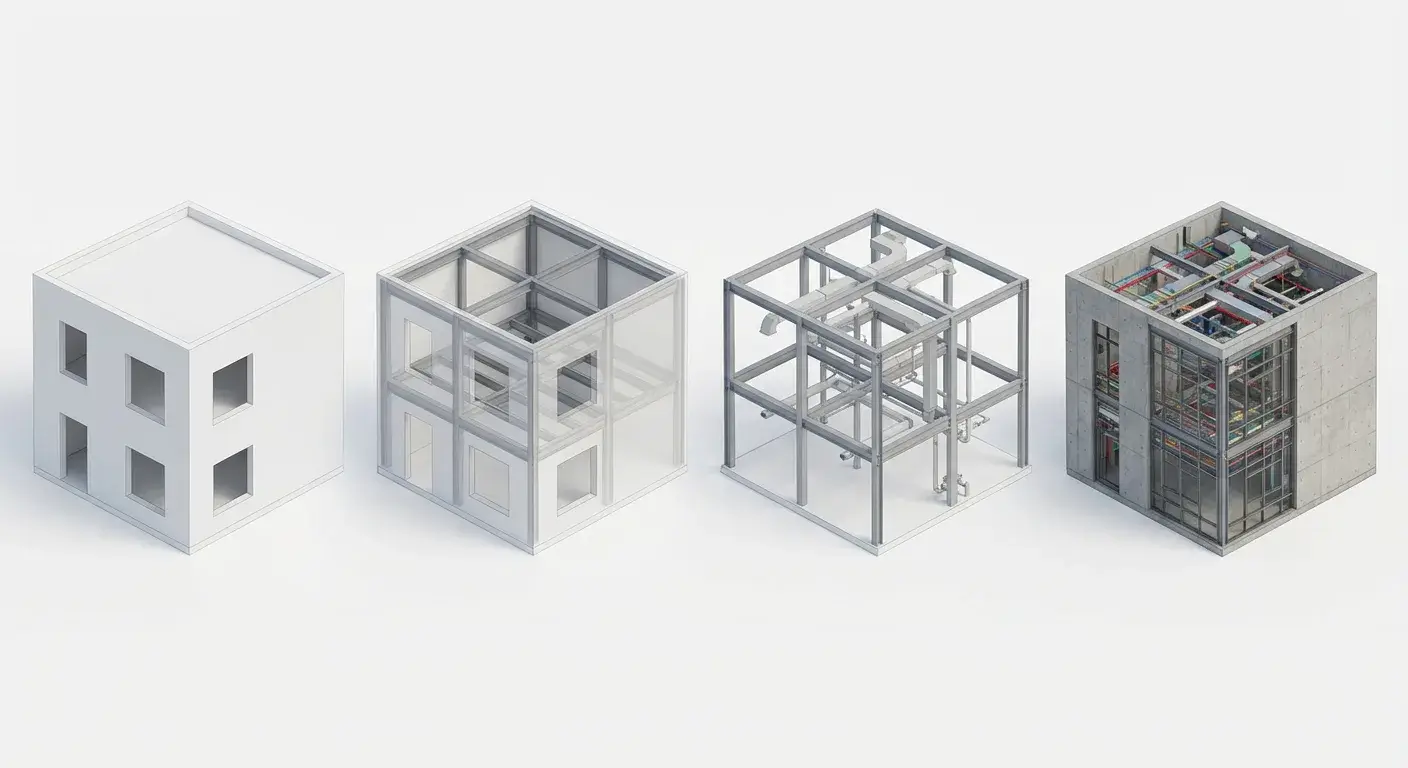
5D BIM integrates cost data with 3D models, enabling dynamic cost estimation that updates automatically as design evolves. This capability transforms the relationship between design and budget management.
Automated Quantity Takeoff
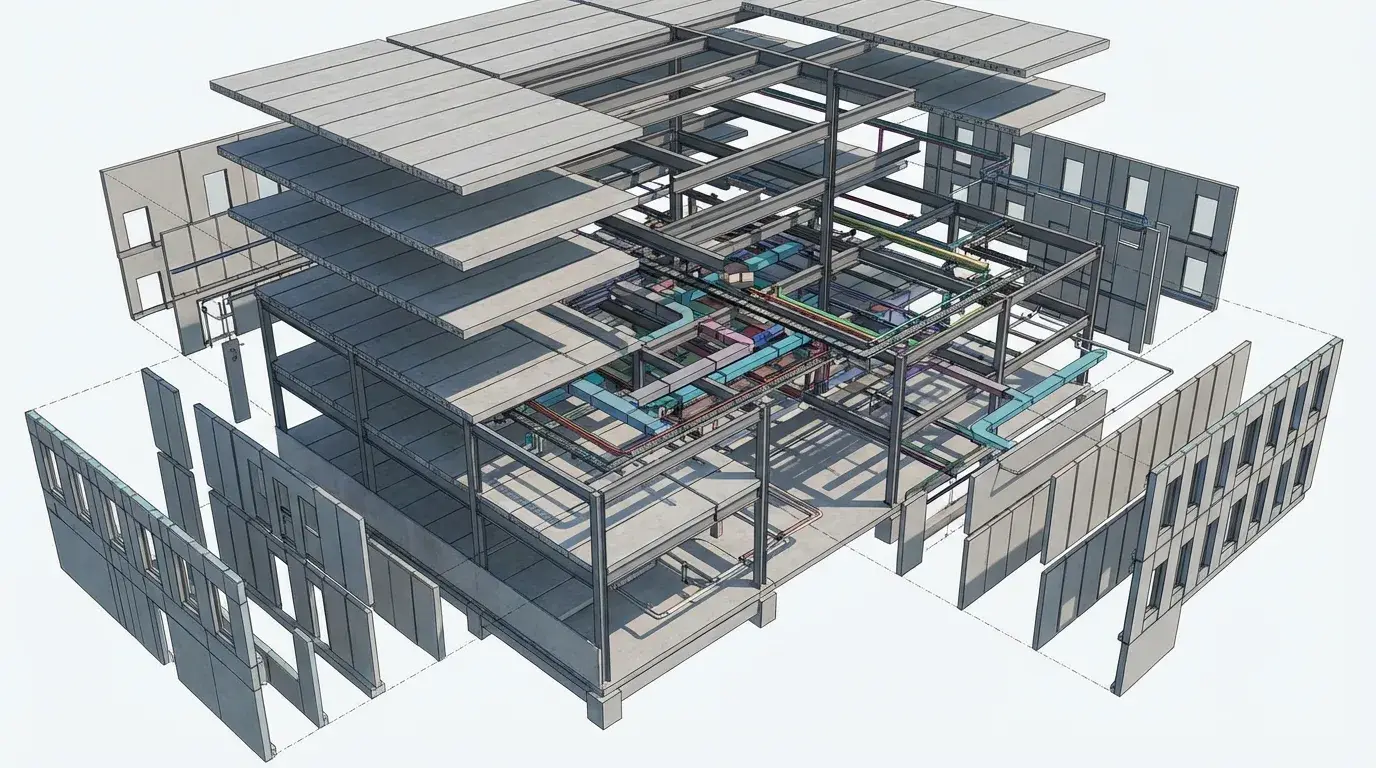
BIM models contain accurate geometric information that can be extracted for quantity calculations. Automated takeoffs are faster than manual methods and automatically update when the model changes.
Cost Database Integration
Linking model elements to cost databases creates live cost estimates. As material specifications change or quantities update, cost impacts are immediately visible to the project team.
Design Alternative Analysis
5D BIM enables rapid comparison of design alternatives. Teams can make informed decisions by seeing cost implications of different options in near real-time.
Value Engineering
When budget constraints require cost reduction, 5D BIM helps identify opportunities. Understanding which elements drive cost enables targeted value engineering that preserves project value.
Bid Preparation
Contractors can use 5D BIM to prepare more accurate bids more quickly. Model-based takeoffs reduce estimation effort while improving accuracy.
Conclusion
5D BIM creates a direct connection between design decisions and cost consequences. This transparency enables better decision-making and helps projects achieve budget objectives.