BIM for Facility Management: Maximizing Asset Value
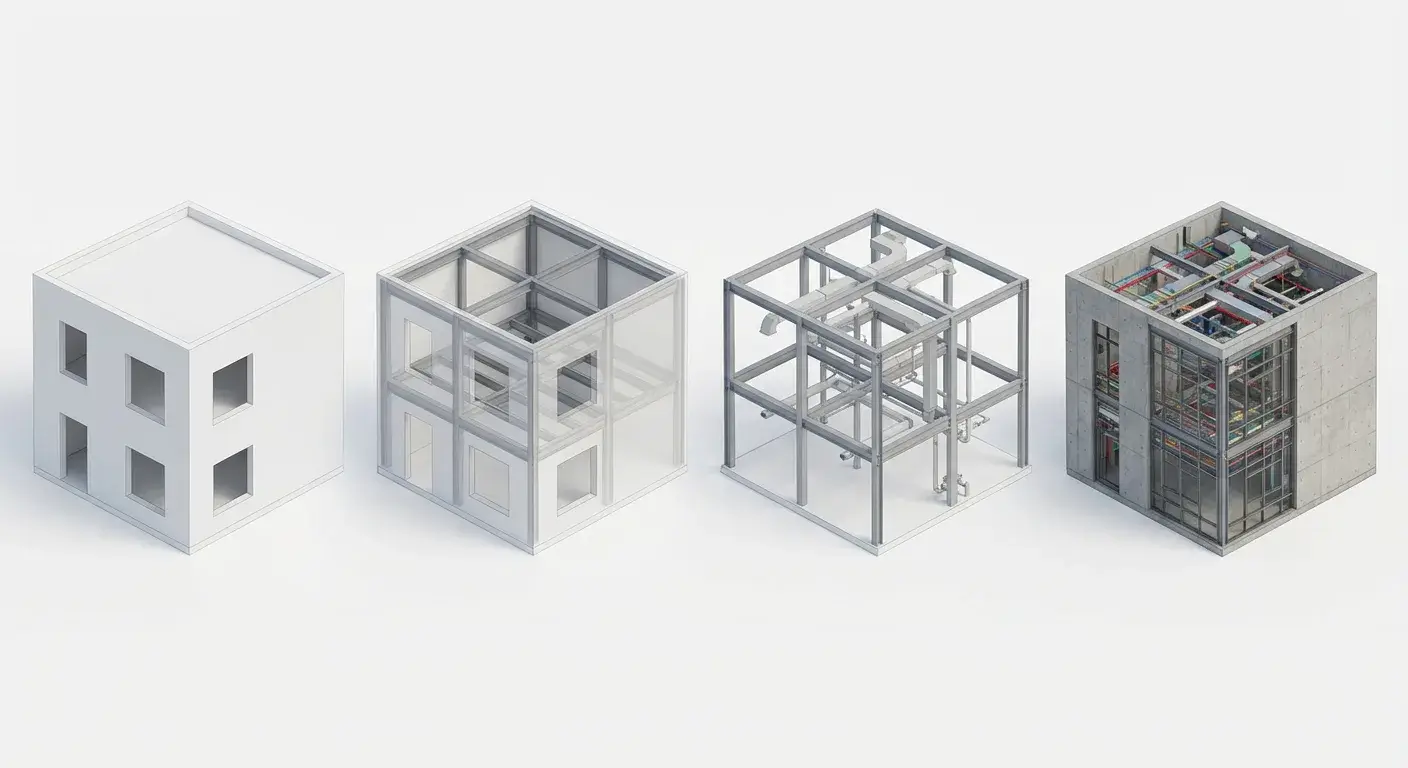
While BIM is often associated with design and construction, its greatest long-term value may be in facility management. Buildings spend far more time in operation than in construction, making operational BIM a smart investment.
COBie and Asset Data
Construction Operations Building Information Exchange (COBie) provides a standardized format for delivering asset data at project handover. Capturing this information during construction eliminates costly post-construction documentation efforts.
Preventive Maintenance Planning
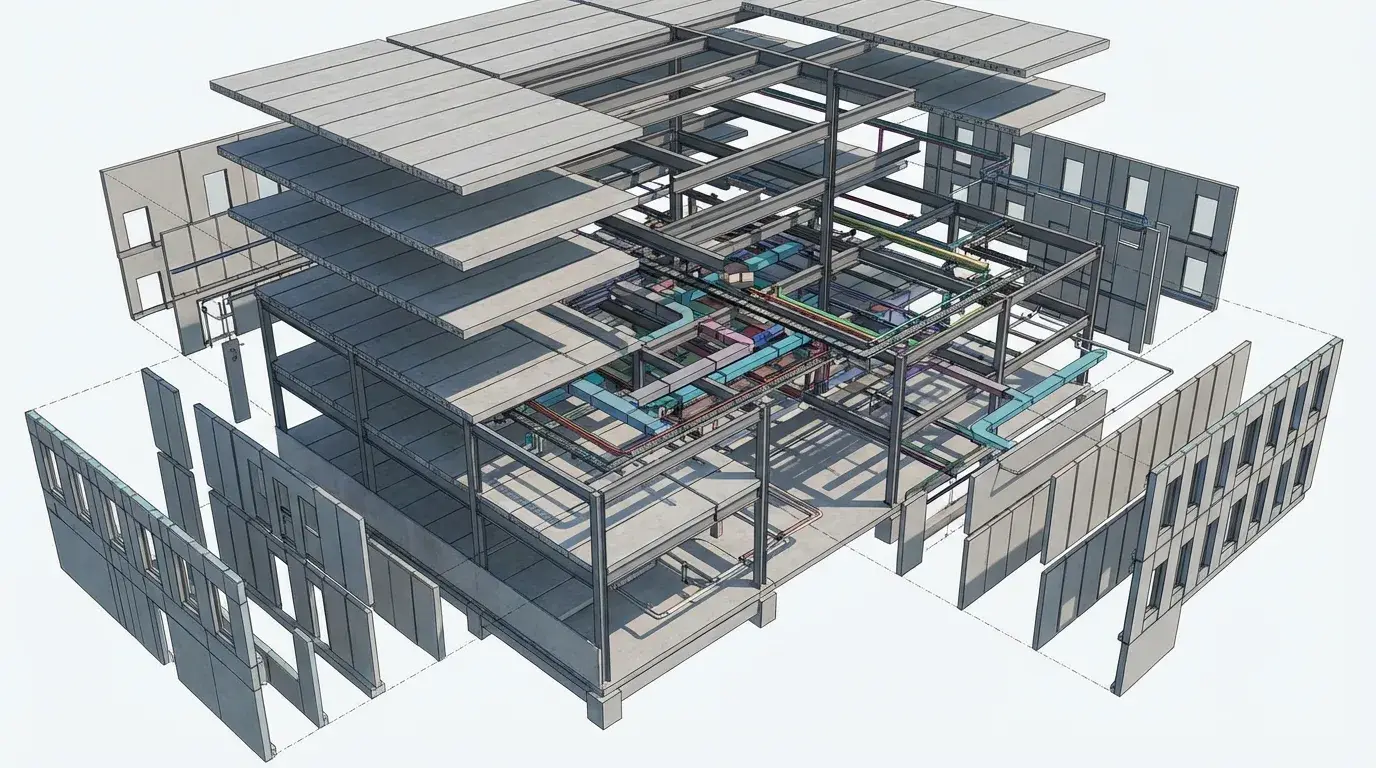
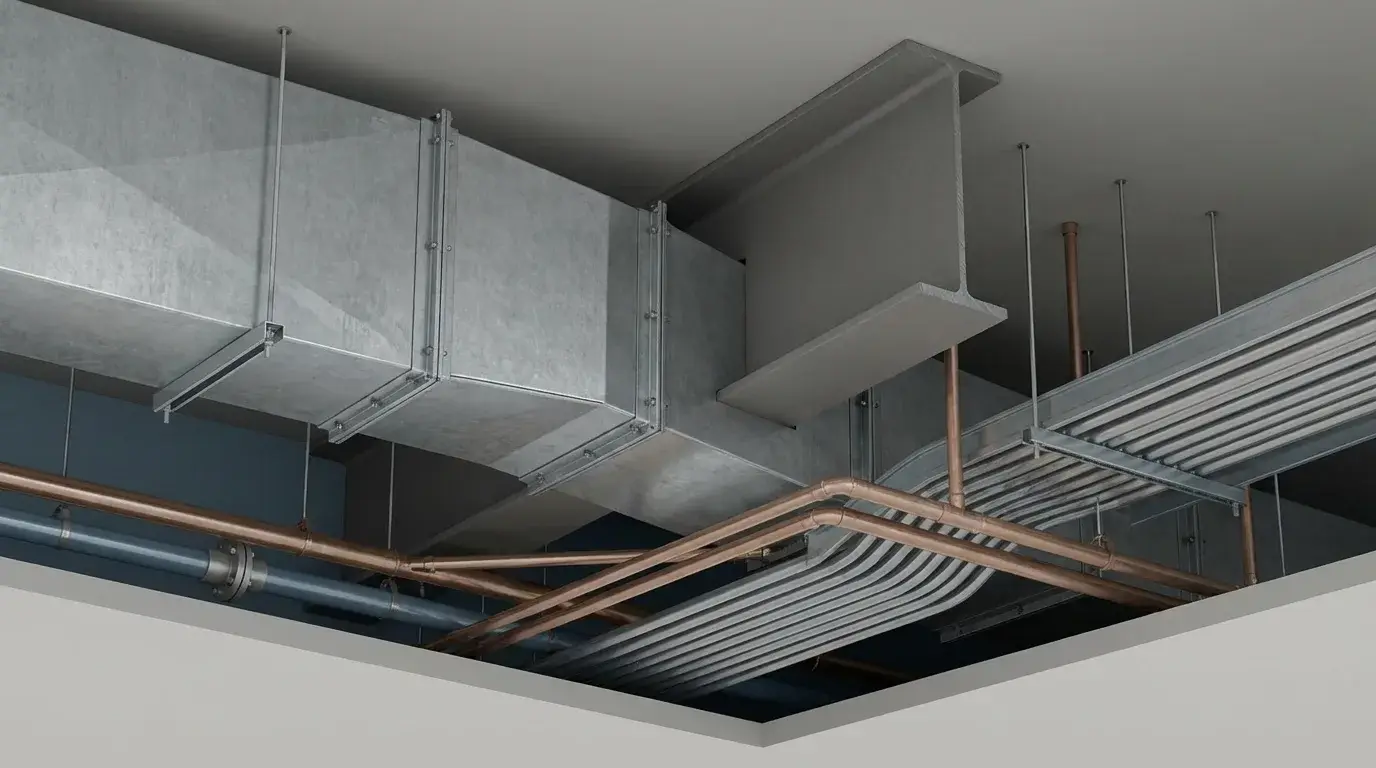
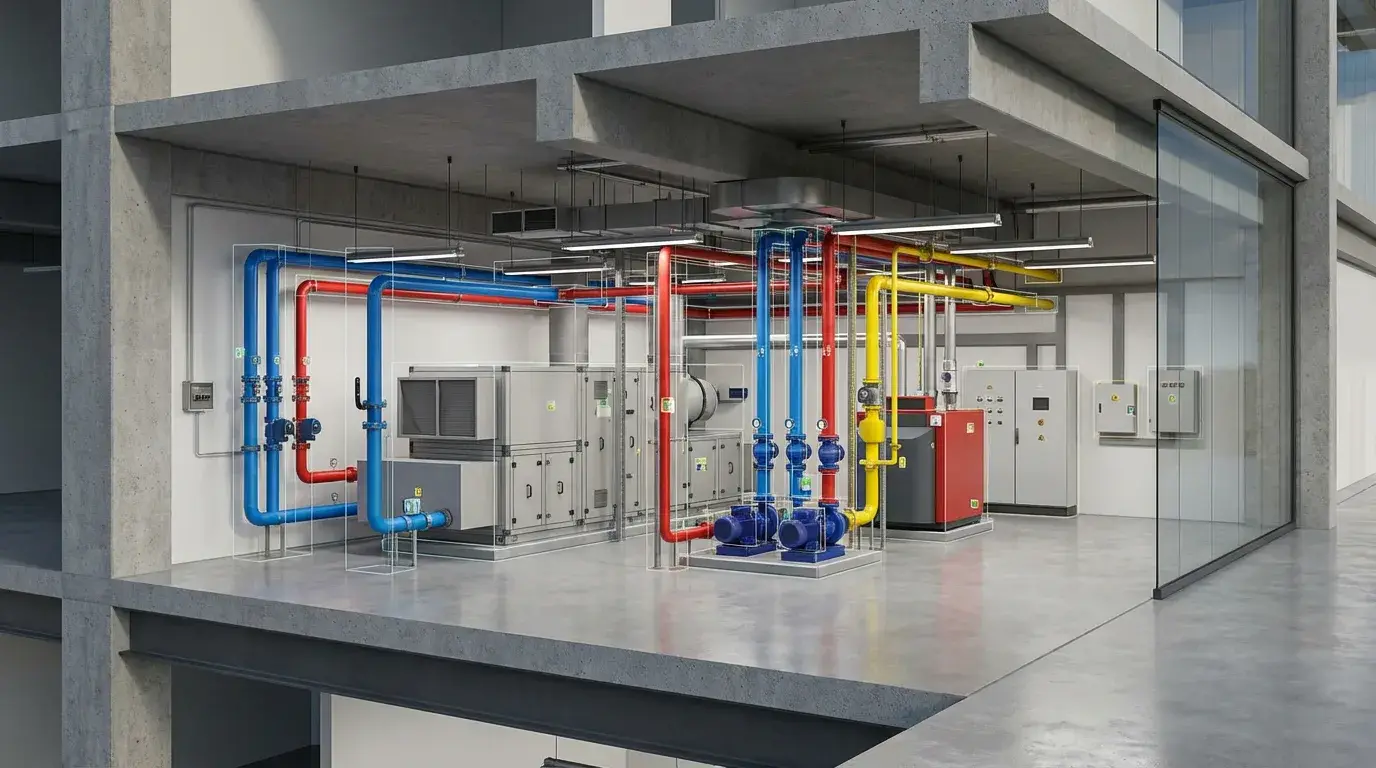
BIM models contain detailed information about building systems and equipment. This data supports preventive maintenance scheduling, helping facility managers optimize maintenance resources and extend equipment life.
Space Management
BIM provides accurate space data that supports lease management, space planning, and occupancy optimization. Changes can be modeled and analyzed before physical implementation.
Energy Management
Building performance data can be integrated with BIM models to identify efficiency improvement opportunities. Visualizing energy consumption by zone or system helps prioritize retrofit investments.
Emergency Response
BIM models provide first responders with critical building information during emergencies. Access routes, hazardous material locations, and system shutoffs can be quickly identified in the model.
Conclusion
Facility management BIM requires planning from project inception. By specifying operational requirements early, building owners can ensure they receive models that provide lasting value throughout the building lifecycle.