Best Practices for Clash Detection in Complex Projects
Clash detection is one of the most valuable capabilities of BIM, allowing project teams to identify conflicts between different building systems before construction begins. However, the effectiveness of clash detection depends heavily on how it's implemented.
Understanding Clash Types
Before diving into detection strategies, it's crucial to understand the three main types of clashes:
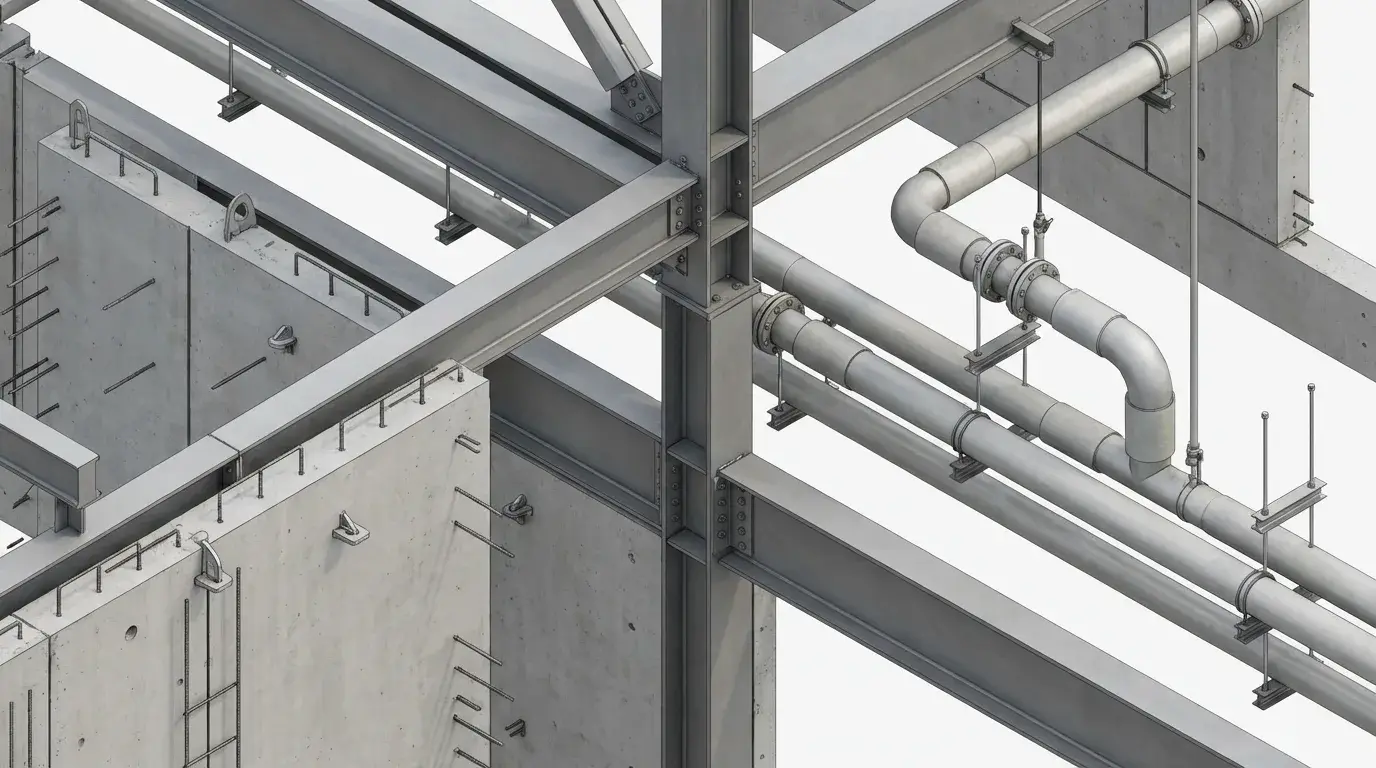
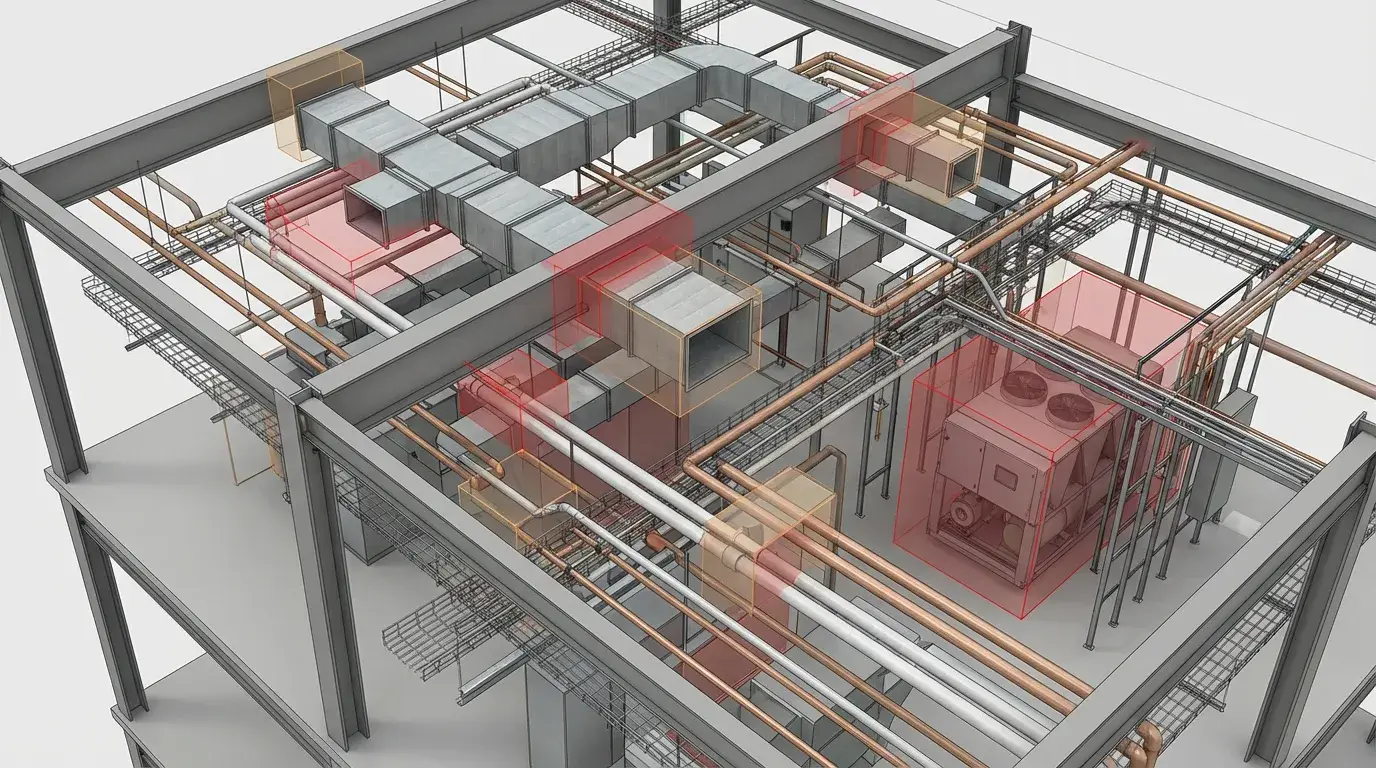
- Hard Clashes: Physical conflicts where two objects occupy the same space
- Soft Clashes: Clearance violations where required maintenance or operational space is compromised
- Workflow Clashes: Scheduling conflicts where different trades need the same space at the same time
Establishing Clear Tolerances
Not all clashes are created equal. Setting appropriate tolerance levels is essential to avoid being overwhelmed by insignificant conflicts while ensuring critical issues are caught. Work with your project team to establish tolerances based on construction requirements and practical considerations.
Systematic Model Federation
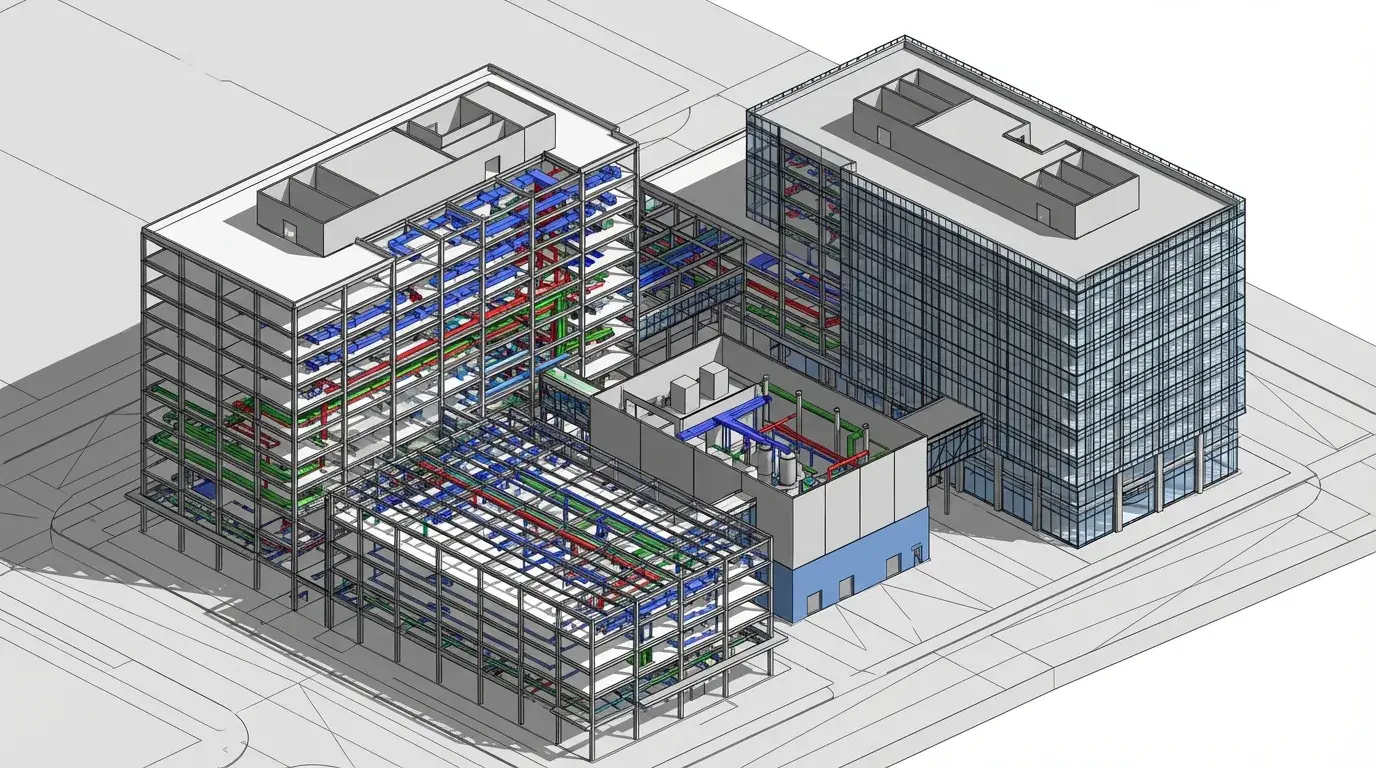
For complex projects with multiple discipline models, establish a clear federation strategy. Define naming conventions, coordinate systems, and update schedules that all team members follow. This consistency is fundamental to accurate clash detection.
Prioritizing Clash Resolution
When dealing with hundreds or thousands of clashes, prioritization is key. Categorize clashes by severity, location, and cost impact. Focus first on clashes that would be most expensive to resolve if discovered during construction.
Regular Review Cycles
Clash detection should be an ongoing process, not a one-time event. Establish regular review cycles—weekly or bi-weekly—to catch new conflicts as design evolves. This continuous approach prevents issues from accumulating.
Conclusion
Effective clash detection is about more than just running software—it's about establishing processes that integrate clash resolution into the project workflow. By following these best practices, teams can maximize the value of their BIM investment.