The Future of BIM in Construction: Trends to Watch in 2025
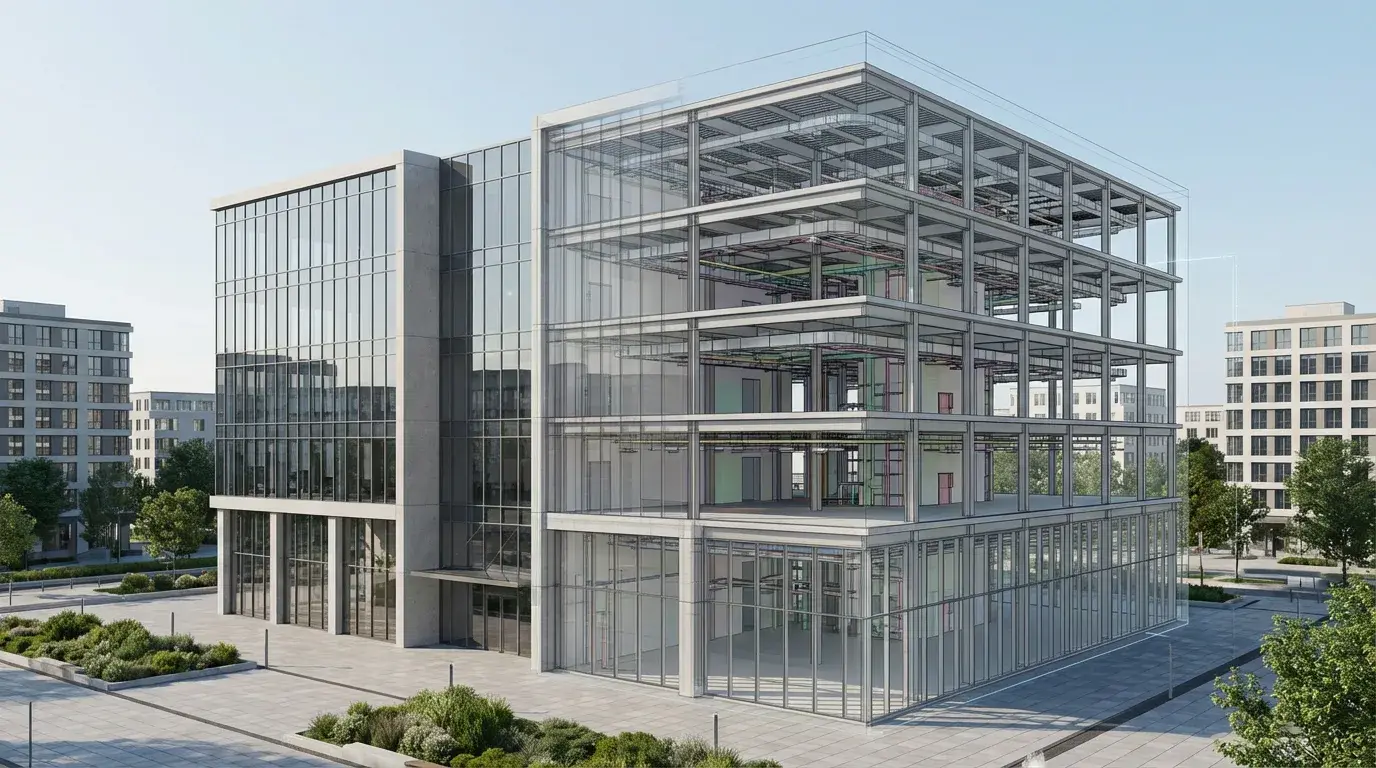
The construction industry is undergoing a digital transformation, and Building Information Modeling (BIM) is at the forefront of this revolution. As we look ahead to 2025, several key trends are emerging that will shape the future of BIM adoption and implementation.
1. AI-Powered Design Optimization
Artificial intelligence is becoming increasingly integrated into BIM workflows. Machine learning algorithms can now analyze design options, predict potential issues, and suggest optimizations before construction begins. This capability significantly reduces costly changes during the construction phase.
2. Digital Twins Going Mainstream
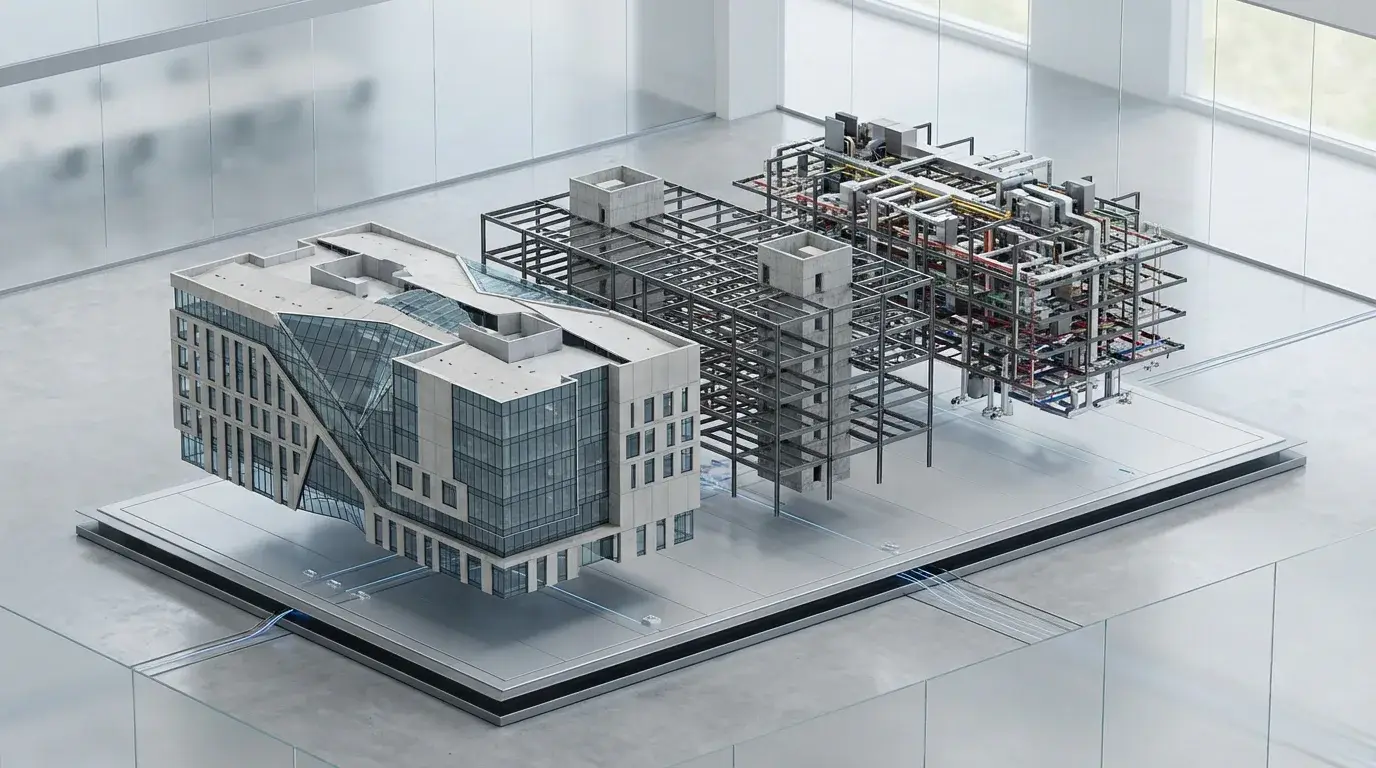
Digital twins—virtual replicas of physical assets—are moving from experimental technology to standard practice. These dynamic models sync with real-time sensor data, enabling predictive maintenance and operational optimization throughout a building's lifecycle.
3. Cloud-Based Collaboration
The shift to cloud-based BIM platforms has accelerated dramatically. Teams across the globe can now collaborate on the same model simultaneously, with changes syncing in real-time. This has become essential for the increasingly distributed nature of construction projects.
4. Sustainability Integration
BIM tools are becoming more sophisticated in their ability to analyze environmental impact. Energy modeling, carbon footprint calculations, and sustainable material selection are now integral parts of the BIM workflow, helping projects meet increasingly stringent environmental regulations.
5. Extended Reality (XR) Visualization
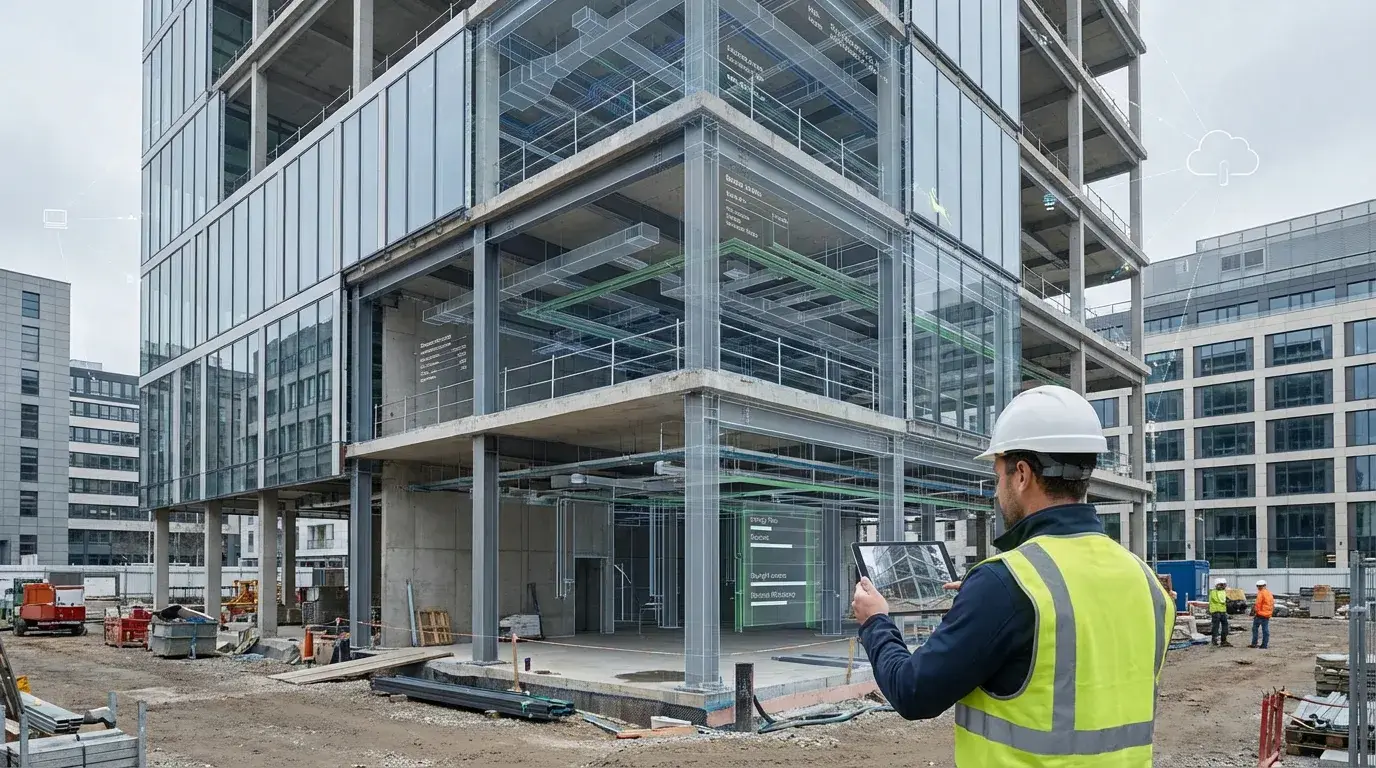
Virtual and augmented reality technologies are transforming how stakeholders interact with BIM models. Clients can now walk through their buildings before ground is broken, and construction teams can overlay digital models on physical job sites for precise installation guidance.
Conclusion
The future of BIM is bright, with technologies converging to create more efficient, sustainable, and collaborative construction processes. Organizations that embrace these trends will be well-positioned to lead in the evolving construction landscape.